For many beginners, Pilates begins with a simple question: what exactly am I supposed to feel?
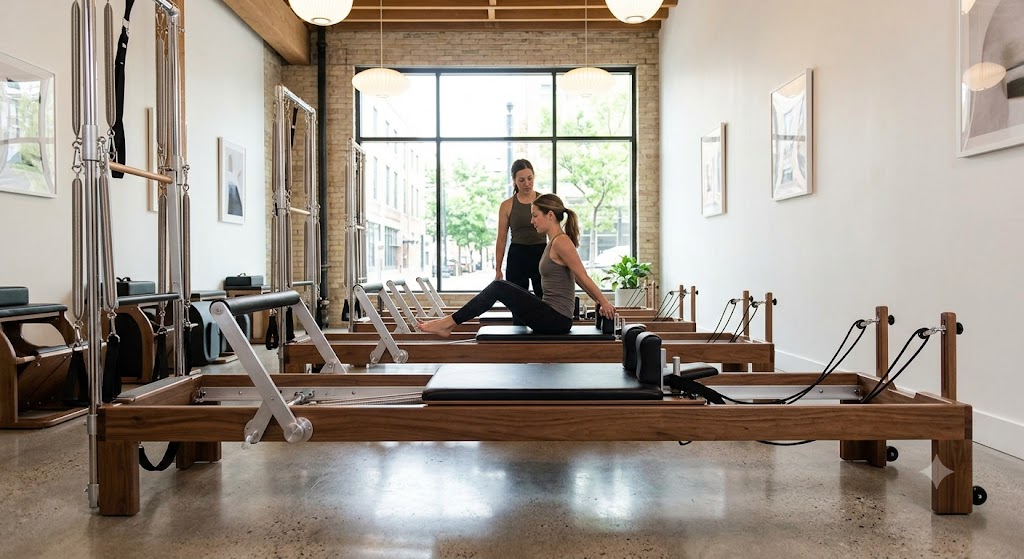
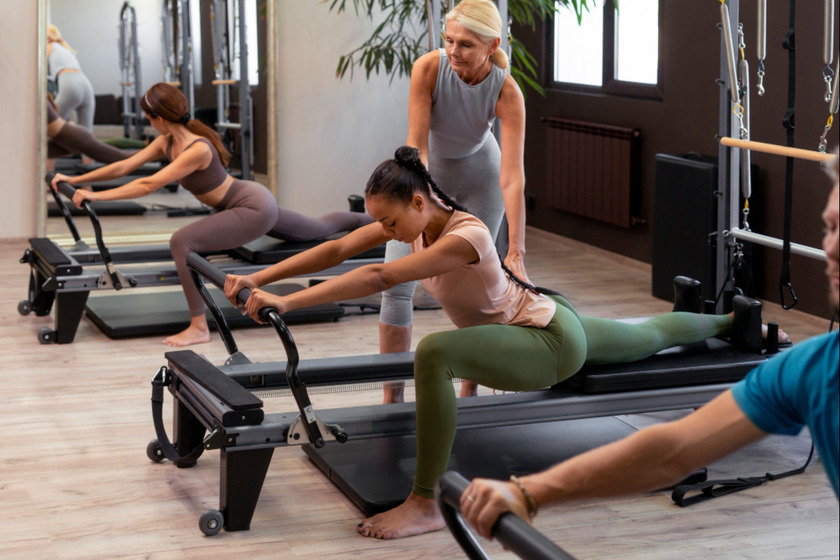
A beginner often sees an exercise. A teacher sees a conversation.
A conversation between strength and mobility. Between control and freedom. Between what the body wants to do and what it is currently capable of doing.
Perhaps this is where the real understanding of Pilates begins.
But how often do we consider the relationship between these elements?
Our bodies function through constant communication. The spine, pelvis, shoulders and limbs must coordinate to perform even the simplest actions. When certain muscles work harder than necessary, others may contribute less effectively.
Pilates helps us recognize these patterns. It is a place where habits become visible, limitations become understandable, and new possibilities begin to emerge.
Why Does the Same Exercise Feel Different for Everyone?
Consider a simple movement such as lifting one leg while lying on your back.
One person may find it effortless. Another may struggle to keep the pelvis stable. Someone else may experience tension in the lower back.
The exercise has not changed. The individual has.
That is why the same exercise can mean something completely different from one person to the next.
The movement may be shared, but the lesson is always individual.
This individual approach is one reason Pilates has remained relevant for generations.
More Than Fitness: Rehabilitation, Pain and Everyday Wellbeing
Many people discover Pilates while dealing with discomfort, stiffness or the effects of prolonged inactivity.
Modern routines often involve hours of sitting, driving and working at computers. Over time, limited movement and repetitive habits may influence posture, mobility and muscular endurance.
With appropriate guidance, Pilates classes can support rehabilitation by gradually rebuilding strength, stability and movement confidence. It may also help to manage persistent back pain, although it does not replace medical treatment or individualized physiotherapy.
There is another dimension worth considering: stress.
When we are constantly occupied, how often do we notice our breathing or the tension held in our shoulders?
Pilates creates space to pay attention. Its controlled movements and breathing may support relaxation, focus and a greater sense of wellbeing.
And as movement becomes more comfortable, confidence often follows.
Where Should a Beginner Start?
Pilates was designed to be adaptable.
Whether someone is new to exercise, returning after a long break or complementing another training method, exercises can be adjusted to individual capabilities.
Both Mat Pilates and Reformer Pilates offer ways to develop strength, mobility and control.
The important consideration is not which method appears more advanced, but whether the movement is appropriate for the person performing it.
Understanding Movement Changes Everything
Once we recognise a movement habit, limitation or imbalance, we have an opportunity to improve it.
Progress becomes less about mastering difficult exercises and more about understanding how our bodies work.
As Pilates instructors, perhaps our greatest responsibility is not simply teaching people how to perform movements, but helping them discover what those movements reveal.
Because Pilates is not only about what the body can do. It is about understanding how, why and where movement begins.