When we walk into a Pilates studio today, we see Reformers, carefully designed exercises and teachers working with people of different ages and abilities. It all feels familiar.
But Pilates did not begin as the practice we recognise today.
Its history is one of curiosity, experimentation and knowledge passed from one generation of teachers to another. And looking back, we begin to understand why the method has continued to grow.
1910s | The Early Search for Better Movement
Joseph Pilates drew inspiration from gymnastics, boxing and physical conditioning. He was interested not only in strength, but in how breathing, posture and coordination influenced movement.
During World War I, while interned in England, he taught exercises to fellow internees. Historical accounts also associate this period with early spring-resistance ideas that later influenced Pilates equipment.
1920s | Contrology Finds Its Home
The method became known as Contrology, reflecting the importance of conscious control over movement.
In 1926, Joseph and Clara Pilates opened their New York studio, where dancers, performers and athletes began practising the method.
Equipment such as the Reformer introduced spring-based resistance, allowing movements to be supported or made more challenging.
1930s–1940s | Putting the Method Into Words
Joseph Pilates documented his ideas in two books:
Your Health (1934): His views on physical conditioning and wellbeing.
Return to Life Through Contrology (1945): His philosophy and 34 mat exercises.
These publications gave readers a way to explore the thinking behind the exercises.
1950s–1980s | The Teachers Who Kept Pilates Alive
Following Joseph's death in 1967, Clara and his first-generation students continued teaching the method, which gradually became better known as Pilates.
Their contributions took different directions:
- Romana Kryzanowska: Classical Pilates instruction.
- Eve Gentry: Movement restoration and rehabilitation.
- Kathy Grant: Individualised teaching.
- Ron Fletcher: Breathing and movement exploration.
- Carola Trier: Independent studio development.
- Lolita San Miguel: Teacher education.
In 1970, Alan Herdman opened Britain's first Pilates studio.
What is interesting about this period is that these teachers did not all approach movement in exactly the same way. Their individual experiences helped the method reach people with different needs.
1980s–1990s | New Ideas Enter the Studio
As knowledge of anatomy, biomechanics and rehabilitation developed, Pilates teaching began to take different forms.
Schools such as STOTT Pilates, BASI Pilates, Fletcher Pilates, Polestar Pilates and Power Pilates contributed to teacher education.
Some remained close to the original repertoire. Others adapted their approaches using contemporary movement knowledge.
Both traditions became part of Pilates' continuing development.
2000s | Pilates Enters the Fitness World
In 2000, a US court ruled that Pilates was a generic exercise term, allowing wider use of its name. The method continued expanding through fitness studios, rehabilitation settings and professional training programmes.
The decade also saw growing interest in more dynamic, strength-focused Reformer training.
Sebastien Lagree opened his first studio in 2001 and later developed the Proformer for his own high-intensity, low-impact fitness method. Lagree distinguishes his method from Pilates, but its development became part of the wider evolution of Reformer-inspired fitness.
2010s | Fitness-Focused Reformer Training Grows
In 2010, Aaron Smith founded KX Pilates in Australia after encountering a dynamic Reformer training style in London. KX combined Reformer-based movement with cardio, endurance and strength training.
Reformer training was becoming accessible to people seeking a more fitness-focused experience alongside traditional Pilates.
2020s–Present | Pilates Beyond the Studio
Online classes, virtual instruction and mobile apps have made Pilates classes accessible in more places.
Today, practitioners encounter several approaches:
Classical Pilates: Traditional exercises and sequencing.
Contemporary Pilates: Modern movement knowledge.
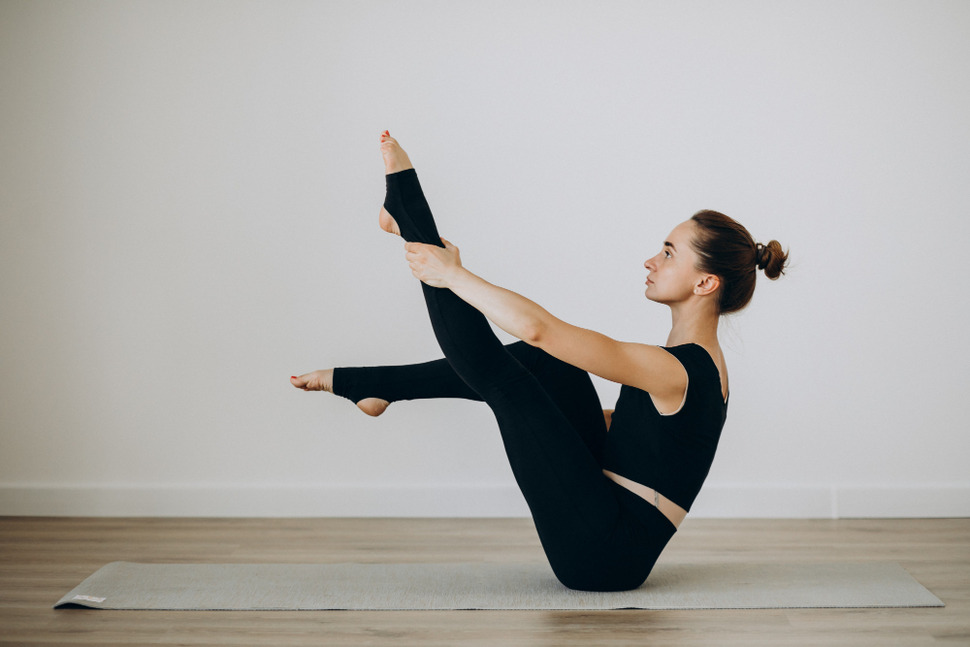
Mat Pilates: Exercises using body weight.
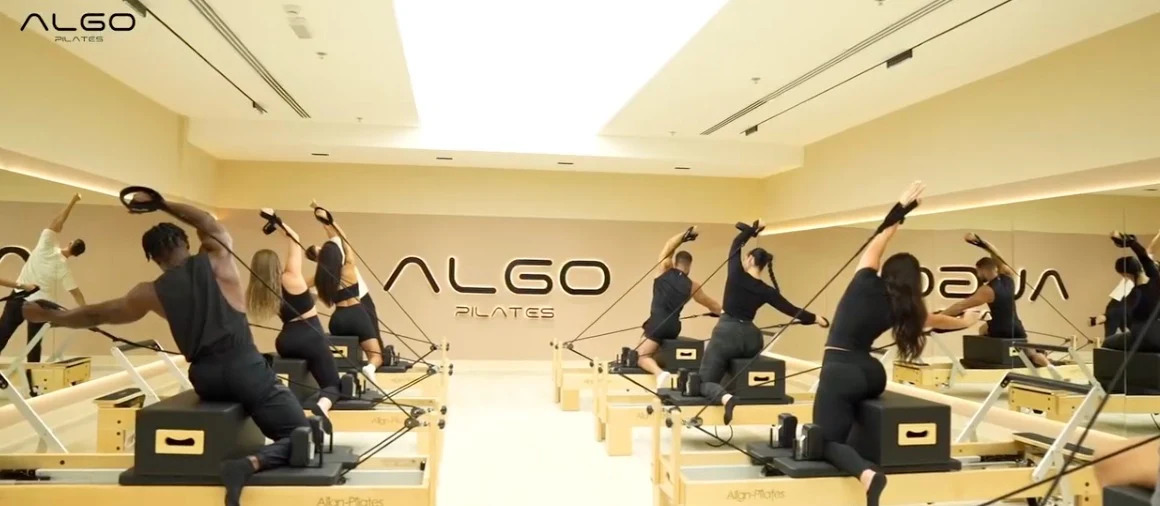
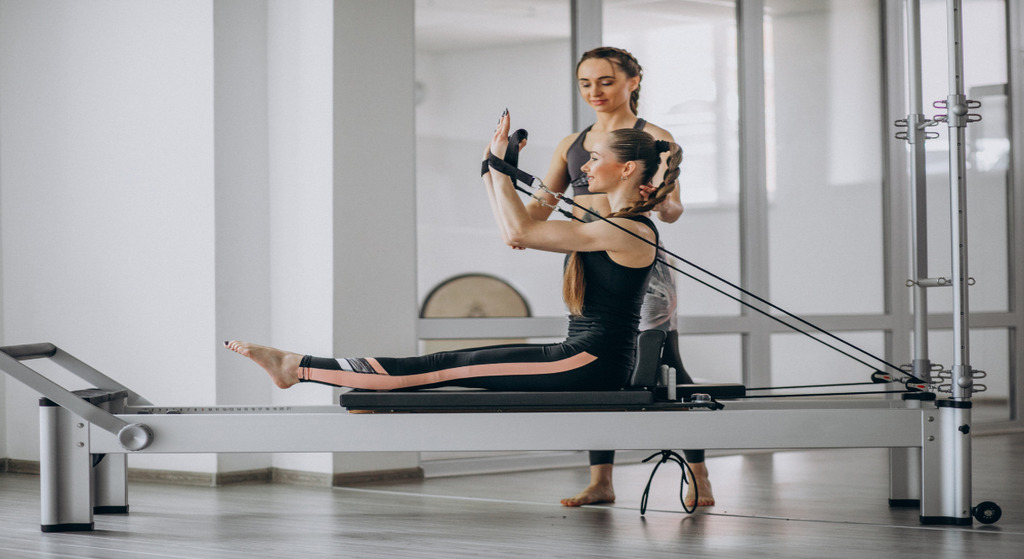
Reformer Pilates: Spring-based resistance and support.
Clinical Pilates: Rehabilitation under professional guidance.
What Can We Learn from This Journey?
When we look at Pilates through the decades, we see that its development was never the work of one person alone.
Joseph and Clara established the foundations. Their students carried the knowledge forward. Later generations brought new perspectives, research and teaching methods.
And perhaps that is what makes its history worth understanding.
Pilates has remained relevant not because every exercise stayed the same, but because generations of teachers continued asking how they could help people move better.